Introduction
Southern platyfish remain one of the easiest freshwater fish for beginners. Many first time aquarium owners choose this species because care requirements stay simple. The fish displays bright colors and active swimming behavior, which adds movement to small home aquariums.
The species name stands as Xiphophorus maculatus. Aquarium hobbyists keep many color varieties such as red, orange, yellow, and mixed patterns. Adult fish usually reach 3 to 7 centimeters in length and live around three to five years with proper care.
This guide explains caring for an southern platyfish using simple steps beginners follow without confusion. Readers also learn caring for an variable platyfish because both species share similar aquarium needs. PlatyFish.blog focuses on practical aquarium advice for new fish keepers who want healthy fish and stable tanks.
Understanding the Southern Platyfish
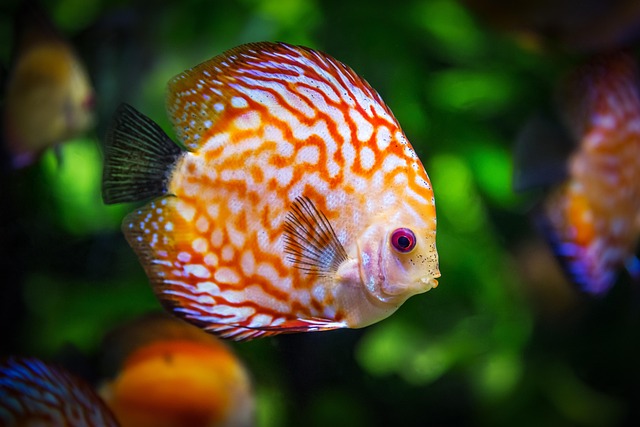
Southern platyfish originate from freshwater rivers and streams in Central America. Natural habitats contain warm water with mineral content and slow current. Aquatic plants grow densely in these environments.
Aquarium hobbyists appreciate this species due to calm behavior and easy care requirements. These fish stay active and swim across the tank throughout the day.
Basic characteristics include:
Scientific name: Xiphophorus maculatus
Adult size: 1 to 3 inches
Temperament: peaceful
Diet: omnivore
Care level: beginner friendly
Southern platyfish reproduce easily in home aquariums. Females give birth to live young instead of laying eggs. Variable platyfish show similar behavior and therefore require nearly identical care conditions.
Tank Size and Aquarium Setup
A stable aquarium environment plays an important role in fish health. Small tanks often create unstable water conditions which stress fish.
Most beginner setups use a minimum 10 gallon aquarium for a small group of platyfish. Larger tanks maintain stable water chemistry and allow fish to swim freely.
A proper setup includes several important components.
Filtration
A gentle filter keeps water clean and removes waste. Filtration also improves oxygen levels in the tank.
Heater
Southern platyfish prefer warm water. A small aquarium heater keeps temperature stable throughout the day.
Lighting
Moderate lighting supports plant growth and improves fish color visibility.
Plants and Decorations
Aquatic plants provide shelter and reduce stress. Plants also create hiding areas for newborn fry.
Common plant choices include:
• Java moss
• Hornwort
• Anubias
Decorations such as rocks and driftwood also improve tank structure. These elements create a more natural environment.
Water Parameters for Healthy Platyfish
Water quality directly affects fish health. Stable conditions remain more important than exact numbers.
Southern platyfish thrive within the following ranges:
Temperature: 21 to 27°C
pH level: 6.8 to 8.0
Water hardness: 10 to 25 dGH
Beginners should test aquarium water regularly. Water testing kits measure pH, ammonia, nitrate, and hardness levels.
Regular water changes maintain stable conditions. Replace 20 to 25 percent of the aquarium water every one or two weeks. This routine removes harmful waste and supports fish health.
Platyfish often prefer slightly alkaline water with moderate minerals.
Feeding Guide for Southern Platyfish
Diet plays a major role in fish growth and color development. Southern platyfish consume both plant matter and small animal foods.
Quality flake or pellet food works as the main diet. These foods contain balanced nutrients for daily feeding.
Additional foods improve diet quality.
Common supplemental foods include:
• brine shrimp
• bloodworms
• daphnia
• blanched spinach
• soft vegetables
Feed small portions two or three times daily. Fish should finish food within three minutes.
Overfeeding creates water pollution. Excess food sinks to the bottom and decomposes. Controlled feeding keeps water clean and fish healthy.
PlatyFish.blog recommends varied diets to maintain strong immune health.
Social Behavior and Tank Mates
Southern platyfish display peaceful social behavior. These fish prefer group living and active interaction.
Aquarium hobbyists usually keep three to six individuals together. Group living reduces stress and encourages natural swimming behavior.
Suitable tank mates include:
• guppies
• mollies
• tetras
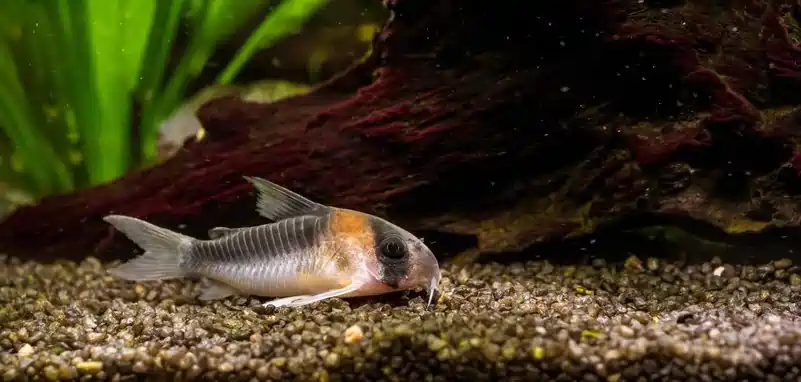
• corydoras catfish
Aggressive fish species should remain separate. Territorial fish damage fins and stress smaller fish.
Peaceful community tanks create balanced environments where multiple species live together without conflict.
Breeding and Fry Care
Southern platyfish belong to the livebearer fish group. Females produce fully formed fry instead of eggs.
Pregnancy lasts around four weeks. A single female produces many fry during one birth cycle.
Breeding occurs easily when males and females share the same aquarium. Many beginners notice baby fish soon after adding a mixed group.
Plants improve survival rates for young fish. Dense plant areas protect fry from adult fish.
Good plant options include:
• Java moss
• guppy grass
• hornwort
Some hobbyists use separate breeding tanks to protect newborn fish.
Common Health Issues
Healthy aquariums prevent most diseases. Poor water quality usually triggers health problems.
Common diseases include:
Ich parasite infection
Fin rot
Fungal infections
Symptoms often include white spots, damaged fins, or loss of appetite.
Early treatment improves recovery chances. Regular water changes and proper feeding routines reduce disease risk.
Daily observation helps fish keepers detect unusual behavior early.
Tips for Beginner Platyfish Owners
Beginner aquarists improve success by following simple maintenance routines.
Important care practices include:
• cycle the aquarium before adding fish
• maintain stable water temperature
• perform weekly water changes
• avoid overcrowding the tank
• feed small portions
Consistency plays the largest role in aquarium success. Stable water conditions support healthy fish and active behavior.
PlatyFish.blog encourages beginners to focus on water quality first. Healthy water forms the foundation of every successful aquarium.
Conclusion
Southern platyfish remain among the most beginner friendly freshwater fish species. Their peaceful temperament and colorful appearance make them popular for small home aquariums.
Proper tank setup, balanced feeding, and regular maintenance create a healthy environment for these fish. Stable water conditions remain the most important factor for long term fish health.
Caring for an southern platyfish becomes simple once beginners follow regular aquarium routines. Similar practices apply when caring for an variable platyfish because both species share nearly identical needs.
Aquarium hobbyists who follow these guidelines build stable tanks and enjoy active colorful fish for several years.
Frequently Asked Questions
What temperature suits southern platyfish
Southern platyfish thrive between 21 and 27°C. Stable warm water supports healthy metabolism and active swimming.
How often should platyfish receive food
Feed small meals two or three times each day. Fish should finish food within a few minutes.
Do platyfish require groups
Yes. These fish feel safer in small groups. Group living reduces stress.
Which tank size works for beginners
A 10 gallon aquarium works for a small group. Larger tanks improve water stability.
Do southern platyfish breed easily
Yes. Females give birth to live fry every few weeks when both genders live in the same aquarium.