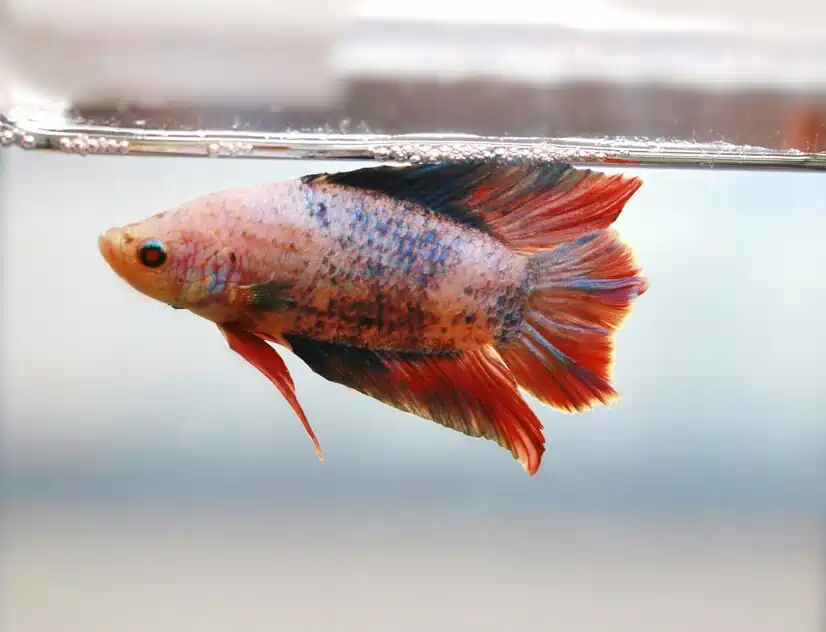
Platy fish are some of the most vibrant and popular species in the freshwater aquarium world. With their small size, peaceful nature, and wide variety of colors, they make an ideal choice for both beginners and experienced aquarists. These colorful fish come in different shapes, sizes, and hues, making them a perfect addition to any tank. If you’re thinking about adding platies to your aquarium, it’s important to know the different varieties of platy fish and what makes each one unique. In this post, we’ll explore the many types of platies (Xiphophorus spp.) and provide insights into their care, breeding, and selection.
What Are Platy Fish?
Platies (Xiphophorus spp.) are small freshwater fish that belong to the family Poeciliidae. Native to Central America, platies are well known for their playful personalities and stunning colors. They are livebearers, which means they give birth to live young instead of laying eggs. Platies are hardy fish that can adapt to a wide range of water conditions, making them a popular choice for beginners. Their small size, peaceful behavior, and ability to live with other community fish make them a favorite among fishkeepers.
While there are many varieties of platy fish, they all share certain characteristics like their small size, peaceful temperament, and vibrant colors. However, each variety has unique color patterns and physical traits that set them apart from one another.
Popular Varieties of Platy Fish
There are several varieties of platy fish, each with its own distinct appearance and characteristics. Here are some of the most popular platy fish varieties that you can find in the aquarium hobby.
1. Red Platy
The red platy is one of the most common and widely recognized varieties of platy fish. As the name suggests, this variety is known for its bright red coloration, which can range from deep crimson to a lighter, more orange-red hue. The red platy is a beautiful addition to any tank and is loved for its vibrant color and energetic behavior. Red platies are hardy and easy to care for, making them a great choice for both beginners and experienced aquarists.
2. Sunset Platy
The sunset platy is another striking variety that is often chosen for its unique color pattern. The sunset platy features a beautiful gradient of yellow, orange, and red, resembling a sunset sky. This variety is especially eye-catching due to its bright and bold colors, which can add a stunning visual effect to your aquarium. Sunset platies are relatively easy to care for and thrive in a well-maintained aquarium with stable water conditions.
3. Black Platy
For those who want to add a more subtle yet equally beautiful fish to their tank, the black platy is an excellent option. This variety is characterized by its dark black coloration, which gives it an elegant and sleek appearance. Black platies can be a striking contrast to lighter-colored fish and plants in the aquarium. Although they are not as brightly colored as other platies, their unique appearance makes them a popular choice for fishkeepers.
4. Blue Platy
The blue platy is another popular variety, known for its striking shades of blue. These fish come in different shades, from light sky blue to a deeper, more intense blue. Blue platies can also have hints of green or turquoise, depending on the specific strain. Their stunning blue coloration makes them a fantastic addition to any tank, and they are often chosen for their calm temperament and peaceful nature.
5. Gold Platy
Gold platies are another variety that stands out due to their rich golden color. These fish are vibrant and eye-catching, with scales that shimmer in the light. Gold platies are relatively easy to care for and thrive in a variety of tank setups. Their bold color and peaceful nature make them a great addition to community tanks, where they can peacefully coexist with other species.
6. Pineapple Platy
The pineapple platy is a more unique variety that is recognized by its bright yellow and orange hues, resembling the colors of a pineapple. This platy variety is popular for its fun and tropical appearance, which adds a cheerful vibe to any aquarium. Pineapple platies are active swimmers and can make a great addition to any tank.
7. Mickey Mouse Platy
The Mickey Mouse platy is one of the most interesting varieties due to the distinct pattern found on its tail. The tail of the Mickey Mouse platy features a unique “Mickey Mouse” shaped marking, which makes it easily recognizable. The body of the Mickey Mouse platy is typically orange, red, or yellow, with this distinctive marking adding a fun touch to its appearance. This variety is a great choice for those looking for a fun and playful fish to add to their aquarium.
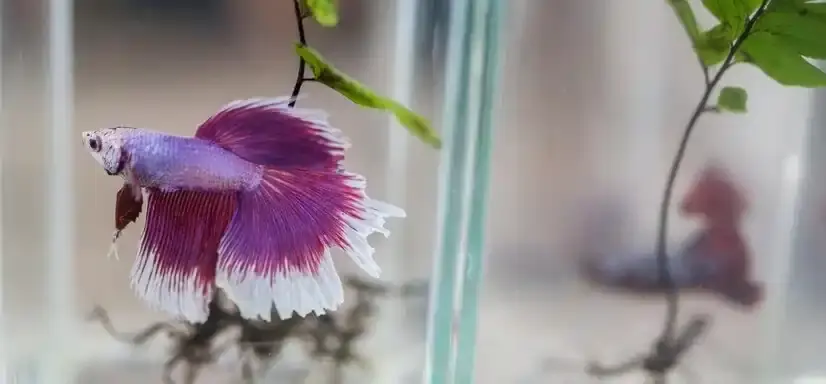
Choosing the Right Platy Variety for Your Tank
When choosing a variety of platy fish for your tank, there are several factors to consider. The size of your aquarium, the other fish species you plan to keep, and your personal preferences all play a role in selecting the right variety of platy. Here are a few things to keep in mind when choosing your platies:
Tank Size
Platies are small fish, typically growing to around 2 to 3 inches in length. As such, they do not require a large tank to thrive. However, they do need enough space to swim and interact with other fish. A tank size of at least 10 gallons is recommended for a small group of platies. Larger tanks allow for more fish and better water quality, which benefits all of your aquarium inhabitants.
Compatibility with Other Fish
Platies are peaceful and get along well with other community fish. They are non-aggressive and can be kept with other species like mollies, tetras, and guppies. If you have other fish in your aquarium, make sure they are compatible with platies. Most species that enjoy similar water conditions (neutral to slightly alkaline water with a temperature between 72°F and 78°F) will make good tank mates for platies.
Personal Preference
One of the most exciting aspects of keeping platies is the variety of colors and patterns available. Whether you prefer the bold red platy, the vibrant sunset platy, or the sleek black platy, there’s a variety to suit every taste. Think about the overall look you want for your tank and choose platies that will complement the other fish and decorations in your aquarium.
Care and Maintenance of Platies
Caring for platies is relatively simple, but there are a few key points to keep in mind to ensure they remain healthy and thrive in your aquarium.
Water Conditions
Platies prefer water that is clean and well-filtered. A consistent water temperature of 72°F to 78°F is ideal, and the pH should be between 7.0 and 8.2. Regular water changes (about 25% of the tank volume per week) will help maintain water quality and keep your platies healthy.
Feeding
Platies are omnivores and will eat a variety of foods, including high-quality flake food, frozen or live foods like brine shrimp or daphnia, and plant matter. It’s important to offer a balanced diet to keep your platies in top health.
Breeding
Platies are livebearers, meaning they give birth to live young rather than laying eggs. If you’re interested in breeding platies, be prepared for regular baby fish (called fry) to appear in your tank. You may want to have a separate tank or breeding box to protect the fry from being eaten by adult fish.
FAQs
1. What is the best variety of platy for a beginner?
Red platies and gold platies are great choices for beginners due to their hardiness, vibrant colors, and peaceful nature.
2. Can platies live with other species of fish?
Yes, platies are peaceful fish and can live with other species like mollies, guppies, tetras, and other non-aggressive freshwater fish.
3. How often should I feed my platies?
Feed your platies once or twice a day with small amounts of food that they can eat within a few minutes. Avoid overfeeding, as this can lead to poor water quality.
4. How can I tell if my platy is pregnant?
Pregnant female platies will have a swollen belly, and you may notice a dark spot near the tail. This spot is where the baby fish (fry) are developing.
5. Are platies easy to breed?
Yes, platies are easy to breed since they are livebearers. Provide a healthy tank with stable water conditions, and they will breed readily.