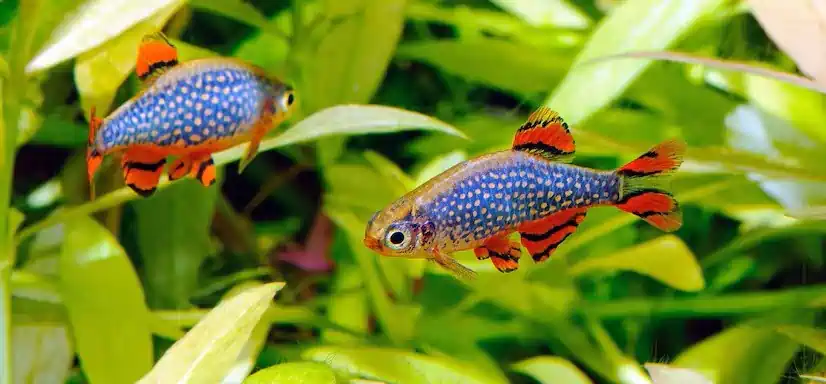
Platy fish, also known as Platies Xiphophorus maculatus, are among the most popular freshwater fish species for aquariums. These small, colorful, and easy-to-care-for fish make a perfect choice for both beginner and experienced fish keepers. Whether you are looking to set up your first aquarium or add a splash of color to an existing one, Platies are a fantastic option. This guide will cover everything you need to know about these beautiful fish, including their care, behavior, and how to maintain a healthy and thriving aquarium.
What Are Platy Fish?
Platies, scientifically known as Xiphophorus maculatus, are small freshwater fish native to Central America. They are part of the livebearer family, meaning they give birth to live young instead of laying eggs. This feature makes them an exciting species to observe, as you can witness the birth of baby fish, or fry, right in your tank.
Platies are well known for their vibrant colors. They come in various shades such as red, orange, yellow, blue, and even multicolored patterns. Their peaceful nature and ability to adapt to various water conditions make them a great addition to any community aquarium.
Why Are Platies a Popular Choice for Aquariums?
Easy to Care For
Platy fish are hardy and easy to care for, making them a great choice for first-time aquarium owners. They can adapt to a range of water conditions and don’t require complicated tank setups. As long as you maintain basic aquarium hygiene, provide a balanced diet, and monitor water conditions, your Platies will thrive.
Stunning Colors
One of the most attractive features of Platy fish is their variety of colors. You can find Platies in vibrant hues, including fiery reds, bright yellows, deep blues, and multicolored combinations. Their appearance makes them eye-catching additions to any aquarium, adding color and movement to the tank.
Peaceful Nature
Platies are gentle and peaceful, which makes them excellent tank mates for other non-aggressive fish. They are social creatures that prefer to live in groups, making them ideal for community tanks. Their calm demeanor ensures they won’t bully or fight with other fish, creating a harmonious environment in your aquarium.
Caring for Your Platy Fish
Tank Setup for Platies
When setting up a tank for your Platies, you need to ensure it has sufficient space for them to swim and thrive. A minimum tank size of 10 gallons is recommended for a small group of Platies. If you plan on adding more fish or creating a larger community tank, you’ll need a larger setup.
Platies prefer clean, well-filtered water with temperatures ranging between 70°F and 82°F (21°C to 28°C). They thrive in slightly alkaline water with a pH level between 7.0 and 8.0. Adding plants, rocks, and hiding spots in the tank will provide them with security and comfort.
Diet and Nutrition
Platies are omnivores, meaning they eat both plant and animal matter. To ensure your fish stay healthy, you should offer them a varied diet. High-quality flake food or pellets should form the basis of their diet. You can also supplement their diet with live or frozen foods such as brine shrimp, bloodworms, and daphnia.
Avoid overfeeding, as it can lead to water pollution and health problems for your Platies. Feeding them once or twice a day is sufficient for most aquariums.
Water Quality
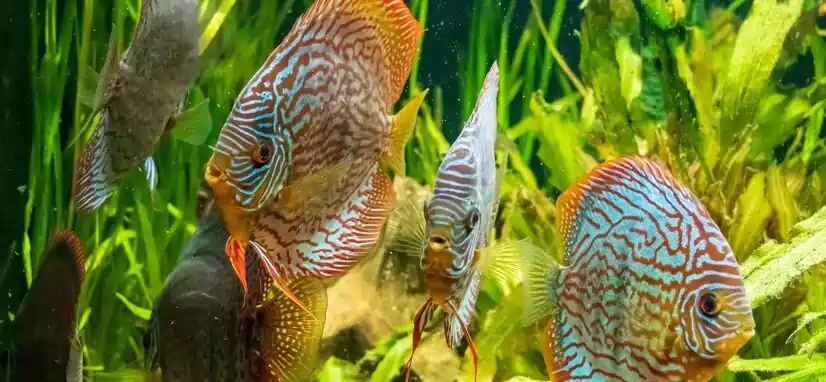
Maintaining good water quality is essential for the well-being of your Platies. Make sure to perform regular water changes (at least once a week) to keep the water fresh and free from harmful toxins. You should also monitor the water’s temperature, pH level, and ammonia/nitrite/nitrate levels regularly to ensure they remain within safe ranges for your fish.
Breeding Platy Fish
Platies are livebearers, meaning they give birth to live young instead of laying eggs. If you have both male and female Platies in your tank, you may eventually witness the birth of baby Platies, known as fry. Female Platies can store sperm for several months, meaning they can give birth to multiple batches of fry from a single mating.
To provide a safe environment for the fry, ensure there are plenty of plants and hiding spots in the tank. This helps protect them from adult fish who may eat them. If you want to breed Platies intentionally, make sure to have a good male-to-female ratio in your tank to encourage mating.
Common Problems and Solutions for Platy Fish
Illnesses and Diseases
Like all fish, Platies can be susceptible to illnesses. Some common diseases include Ich (a white spot disease), fin rot, and dropsy. To prevent these diseases, keep your aquarium clean and ensure your Platies are not stressed by overcrowding or poor water quality. If you notice symptoms like faded colors, clamped fins, or abnormal swimming behavior, isolate the affected fish and treat them accordingly.
Aggression Issues
Though Platies are generally peaceful, males can sometimes become aggressive toward one another, especially when there are too many males in the tank. If you notice aggression, consider removing some of the males or increasing the number of females in the tank to balance the male-to-female ratio.
Ideal Tank Mates for Platies
Since Platies are peaceful, they make great tank mates for other non-aggressive species. Some of the best companions for Platies include:
- Guppies
- Tetras
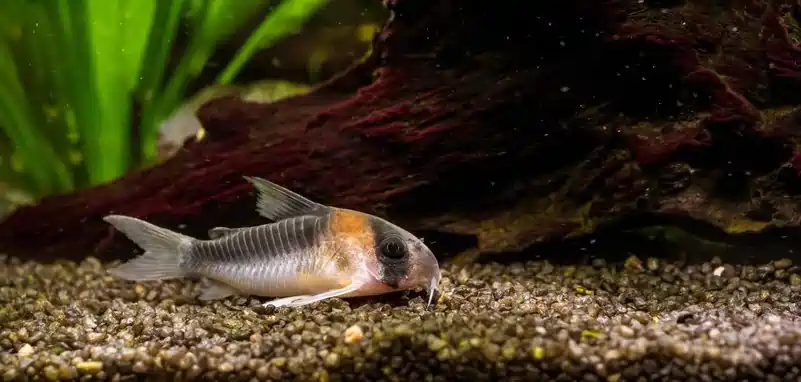
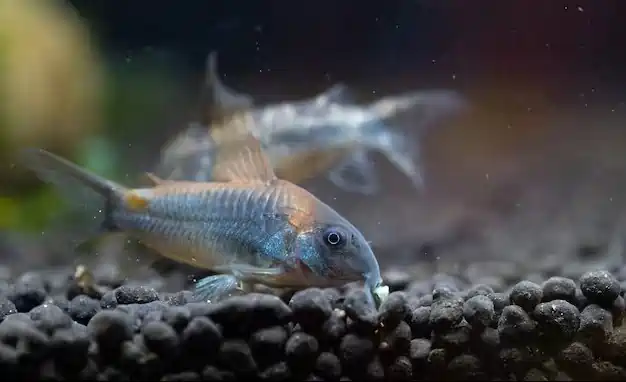
- Corydoras catfish
- Mollies
- Neon tetras
Avoid placing them with larger, aggressive fish that may bully or harm them.
FAQs
How Long Do Platy Fish Live?
Platy fish typically live for about 3 to 5 years. With proper care and a healthy environment, they can live even longer.
How Can I Tell If My Platies Are Pregnant?
Female Platies show signs of pregnancy by having a noticeably swollen belly. They may also have a dark spot near their abdomen, which is where the babies are developing.
What Size Tank Do Platies Need?
A 10-gallon tank is suitable for a small group of Platies. However, if you plan to add more fish or keep a larger group, a bigger tank is recommended.
Can Platies Live with Other Fish?
Yes, Platies are peaceful and can coexist with many other freshwater fish species. Just ensure that their tank mates are non-aggressive and similar in size.
How Many Platies Should I Keep Together?
It’s recommended to keep at least 3 to 5 Platies in a tank to ensure they feel comfortable and thrive in a social group.