Welcome to the vibrant world of aquarium wonders! If you’re looking for a colorful addition to your tank that’s as charming as it is easy to care for, then let us introduce you to the Bumblebee Platy. This delightful little fish isn’t just a feast for the eyes; it’s also packed with personality and adaptability, making it an ideal choice for both novice and experienced aquarists alike. From their striking appearance to their social nature, Bumblebee Platys bring life and energy to any aquatic environment. In this blog post, we’ll dive into everything you need to know about these enchanting creatures from their size and care requirements to fascinating facts that will surely make you want one (or several!) swimming in your home aquarium. Let’s get started on this fin-tastic journey!
Introduction to the Bumblebee Platy
If you’re looking to add a splash of color and personality to your aquarium, the Bumblebee Platy might just be the perfect choice. This lively little fish is not only striking in appearance but also boasts a friendly disposition that makes it ideal for community tanks. With its vibrant colors and unique patterns reminiscent of a bumblebee, it’s no wonder this species has captured the hearts of aquarists everywhere. Whether you’re an experienced hobbyist or just starting out, understanding how to care for these fascinating fish can enhance your aquarium experience immensely. Let’s dive into everything you need to know about Bumblebee Platies!
Appearance and Physical Characteristics
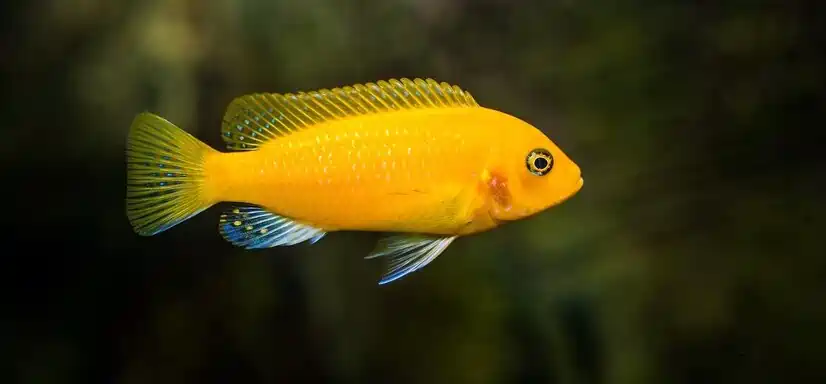
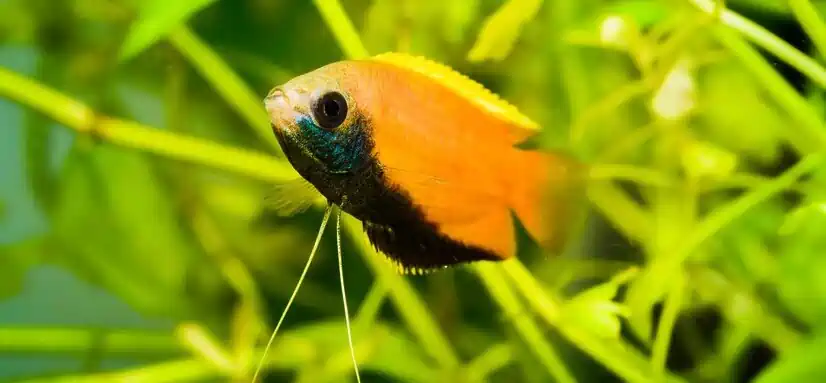
The Bumblebee Platy is a striking addition to any aquarium. Its vibrant colors can range from bright yellow to deep orange, adorned with bold black stripes that resemble the markings of a bumblebee. This eye-catching pattern not only makes them visually appealing but also helps them stand out among tank mates.
These small fish typically grow up to two inches in length, making them perfect for community tanks. Their bodies are slightly rounded and have a smooth profile, contributing to their graceful swimming style.
Fins are another noteworthy feature. The dorsal fin is often elongated and colorful, further enhancing their charm. With an overall robust build, Bumblebee Platies present both beauty and resilience in home aquariums.
Their unique appearance draws attention, captivating anyone who gazes into the tank. Each fish has its own personality reflected through its vibrant hues and lively movements.
Habitat and Tank Requirements
Creating the ideal habitat for your Bumblebee Platy is essential for their health and happiness. These vibrant fish thrive in a well-maintained aquarium that mimics their natural environment.
A tank size of at least 10 gallons is recommended, providing ample swimming space. The water temperature should range between 74°F and 78°F, ensuring they remain active and comfortable.
Maintaining a pH level from 6.8 to 7.8 will help replicate their native waters from Central America. Regular water changes are crucial; aim for about 25% weekly to keep the environment clean.
Adding plants, rocks, or driftwood can create hiding spots while enhancing aesthetics. Ensure good filtration to maintain water quality without strong currents that could stress them out.
With proper care and attention to these requirements, your Bumblebee Platies will flourish in their aquatic home!
Water temperature, pH levels, tank size, etc.
Bumblebee platies thrive in a carefully maintained environment. The right water temperature is crucial for their well-being. Aim for a range from 72°F to 78°F, which mimics their natural habitat.
Next, pay attention to pH levels. Ideally, maintain a balanced pH of around 7.0 to 8.0 for optimal health and activity.
Tank size matters too. A minimum of 20 gallons is recommended if you plan to keep multiple fish together. This space allows them enough room to swim and hide.
Filtration also plays an essential role in keeping the water clean and oxygenated. Choose a filter that can handle your tank’s volume efficiently.
Regular water changes will help maintain these conditions over time, ensuring that your bumblebee platies remain vibrant and healthy within their aquatic home.
Diet and Feeding Habits
Bumblebee Platies are not picky eaters, making them relatively easy to feed. A varied diet keeps these colorful fish happy and healthy. High-quality flakes or pellets designed for tropical fish should form the basis of their meals.
In addition to staples, they enjoy a mix of fresh and frozen foods. Offer treats like brine shrimp, daphnia, or bloodworms occasionally. This variety can enhance their color and vitality.
Feed them small portions two to three times a day. Ensure they consume everything within a few minutes to prevent water quality issues. Overfeeding can lead to health problems down the line.
Always observe your platies during feeding time; this helps you gauge their appetite and overall well-being. Healthy eating habits contribute significantly to their lifespan and quality of life in an aquarium setting.
Behavior and Temperament
Bumblebee platies are known for their vibrant personalities. These little fish bring a playful energy to any aquarium.
They tend to be peaceful and friendly, making them great companions in community tanks. Their curiosity often leads them to explore every nook and cranny of their environment.
While they thrive in groups, it’s best to keep an eye on the dynamics. Males can sometimes display territorial behavior, especially during breeding periods.
Despite this occasional assertiveness, bumblebee platies generally coexist well with other species. They appreciate having space but don’t require vast territories.
Creating a cozy habitat with plenty of hiding spots will help minimize stress. This ensures that all inhabitants feel safe and secure while interacting freely within the tank’s lively atmosphere.
Compatibility with other fish species
Bumblebee platies are known for their friendly nature, making them ideal community fish. They generally get along well with other peaceful species, creating a harmonious environment in your aquarium.
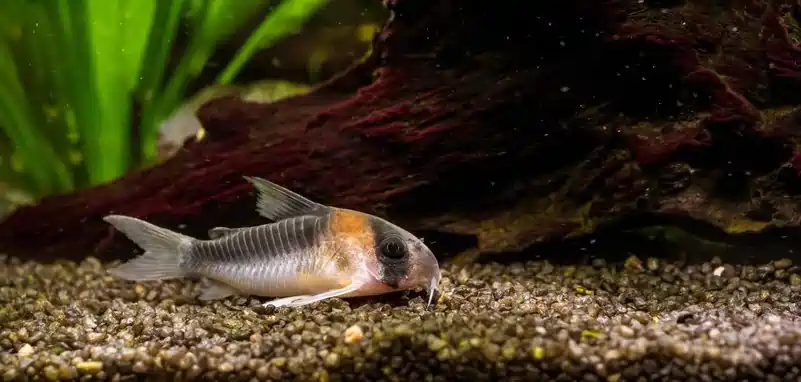
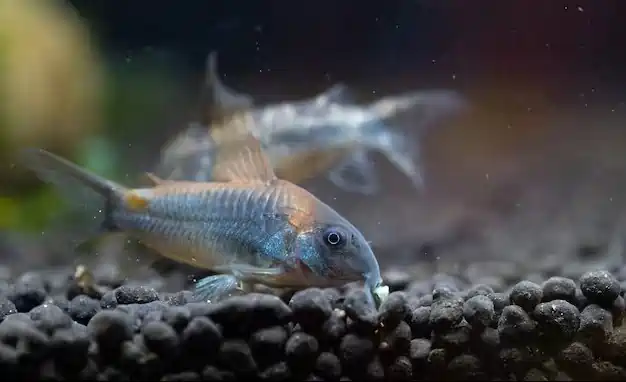
When choosing tank mates, consider fish that share similar temperaments. Guppies, neon tetras, and Corydoras catfish pair nicely with bumblebee platies.
However, avoid aggressive or territorial species like cichlids. These can stress out the more docile platy and disrupt the balance of your tank.
Social creatures thrive in groups. Keeping at least three to four bumblebee platies helps ensure they feel secure while interacting naturally with their companions.
As always, monitor interactions closely when introducing new fish to your setup. A little observation goes a long way in maintaining harmony among all aquatic inhabitants!
Breeding and Reproduction
Breeding bumblebee platies can be a rewarding experience for aquarists. These fish are livebearers, meaning they give birth to free-swimming fry instead of laying eggs. This makes it easier for hobbyists looking to expand their aquarium.
To encourage breeding, maintain a healthy environment with stable water conditions. A temperature range of 75-82°F is ideal. Ensure the pH levels stay between 7.0 and 8.5 for optimum health.
Adding both males and females in a ratio of about one male to two or three females fosters natural behavior and reduces stress on the females during mating.
After successful fertilization, expect tiny fry within four weeks! Provide plenty of hiding spots like plants or decorations in your tank; this helps protect newborns from being eaten by adults a common scenario in many aquariums.
Regular feeding with high-quality flakes will support the growth of both parents and young ones alike.
Tips for breeding bumblebee platies in a home aquarium
Breeding bumblebee platies can be an exciting endeavor for aquarium enthusiasts. Start by ensuring you have a healthy mix of males and females in your tank. A ratio of one male to two or three females helps reduce stress during mating.
Set up a breeding tank with plenty of hiding spots, like plants and decorations. This provides a safe space for the fry once they are born. Keep the water clean and stable; frequent water changes help maintain optimal conditions.
Monitor the female closely as she approaches her due date, which typically occurs every 28 days. You might notice her belly becoming more rounded and darkening near the anal fin.
After giving birth, remove the adult fish from the breeding tank to protect the tiny fry from being eaten. Feed them finely crushed flakes or specialized fry food for proper growth in their early weeks.
Common Health Issues and How to Prevent Them
Bumblebee Platies are generally robust fish, but they can still face health challenges. One common issue is fin rot, often caused by poor water quality or injury. Keeping the tank clean and maintaining proper water parameters can help prevent this.
Ich, a parasitic infection, may also affect these lively swimmers. Look for white spots on their bodies as a telltale sign. Quarantining new arrivals and ensuring stable temperatures will reduce stress and lower the risk of outbreaks.
Another concern is swim bladder disease, which affects buoyancy. This condition can stem from overfeeding or rapid changes in diet. To avoid it, feed small amounts regularly and keep an eye on any sudden feeding changes.
Regular monitoring of your platy’s behavior is essential too. A lack of activity or unusual hiding could indicate illness early on when treatment options are more effective.
Signs of illness, treatment options, etc.
Bumblebee platies are generally hardy fish, but they can still fall ill. Recognizing signs of sickness early is crucial for their well-being.
Look out for changes in behavior. If your bumblebee platy is swimming erratically or hiding more than usual, it may be unwell. A loss of appetite or lethargy can also indicate health issues.
Physical symptoms are important too. White spots on the body could signify ich, while frayed fins might suggest fin rot. Pay attention to any discoloration or swelling as well; these often signal underlying problems.
Treatment varies depending on the illness. For ich, a salt bath and increased temperature can help eradicate the parasites. Antibiotics might be necessary for bacterial infections, while maintaining clean water will assist recovery across various ailments.
Regular tank maintenance and monitoring water parameters play an essential role in preventing many diseases from occurring in the first place.
Fun Facts about Bumblebee Platies
Bumblebee Platies are not just colorful fish; they have intriguing traits that make them stand out. For instance, these little swimmers can be surprisingly social. They thrive in community tanks and enjoy interacting with their tank mates.
Another fun fact? Bumblebee Platies come in various color combinations. Their vibrant hues can range from bright yellows to deep blacks, often creating a stunning contrast that captivates aquarists.
These fish also exhibit unique behaviors during feeding time. You’ll often see them darting around the tank, showcasing their playful nature as they chase after food.
Interestingly, Bumblebee Platies are livebearers. This means they give birth to free-swimming fry instead of laying eggs like many other species. Watching new baby platies swim about adds an extra layer of excitement for aquarium enthusiasts!
Conclusion
Bumblebee platies are vibrant additions to any aquarium. Their striking colors and playful nature make them a joy to observe. They thrive in various environments, making them suitable for both beginners and experienced aquarists alike.
Before deciding if a bumblebee platy is the right fit for your tank, consider their specific care needs. Ensure you can provide an appropriate habitat that maintains optimal water conditions and adequate space.
Think about your existing fish species as well; compatibility is key for a harmonious community tank. If you’re excited by the prospect of breeding these lively little creatures, prepare yourself with some essential tips on creating ideal spawning conditions.
Lastly, stay informed about potential health issues associated with bumblebee platies so that you can act quickly if needed. With proper attention, they can live healthy lives and bring plenty of color to your home or office setup.
If you’re ready to add some charm and energy into your aquatic world, the bumblebee platy might just be the perfect choice for you!