Platy fish are a popular choice among aquarium enthusiasts. Known for their vibrant colors and peaceful nature, these fish are ideal for beginners and experienced aquarists alike. Whether you are setting up your first aquarium or adding new fish to your existing tank, a Platy fish care guide can help ensure your fish remain healthy and happy.
In this guide, we’ll cover all aspects of Platy fish care, from tank setup and diet to behavior and health. You’ll learn everything you need to know to provide the best environment for your new aquatic friends.
Understanding Platy Fish
Platies are small, freshwater fish that come in a variety of colors, including red, yellow, blue, and even multi-colored patterns. These fish are part of the Poeciliidae family and are native to Central America. They are known for their friendly nature, making them perfect for community tanks. Platy fish are livebearers, meaning they give birth to live young rather than laying eggs. This is an exciting feature for aquarium owners who enjoy watching fish reproduce.
Setting Up Your Platy Fish Tank
When it comes to setting up a Platy fish tank, there are a few things you need to keep in mind. The key to creating a happy home for your Platies is to ensure they have enough space, the right water conditions, and suitable tank mates.
Tank Size and Setup
Platies are small fish, but they still need enough space to swim and explore. A tank that holds at least 10 gallons of water is recommended for a small group of Platies. If you plan to add other fish, consider a larger tank.
Platies enjoy having plants and decorations in their tank. Live plants are a great addition as they help oxygenate the water and provide hiding spots for the fish. However, be sure the plants are safe for your fish and don’t have sharp edges that could harm them. You can also use soft substrate, such as gravel or sand, to make the tank comfortable for the fish.
Water Conditions
Platies are hardy fish, meaning they can tolerate a range of water conditions. However, to ensure they thrive, you should maintain the following water parameters:
- Water temperature: 70°F to 78°F (21°C to 25°C)
- pH level: 7.0 to 8.2 (neutral to slightly alkaline)
- Water hardness: 10 to 28 dGH
Regular water changes are essential to keep your Platies healthy. A filter will help keep the water clean and remove harmful toxins. Be sure to change 20% to 25% of the water every 1-2 weeks, depending on the size of your tank.
Tank Mates
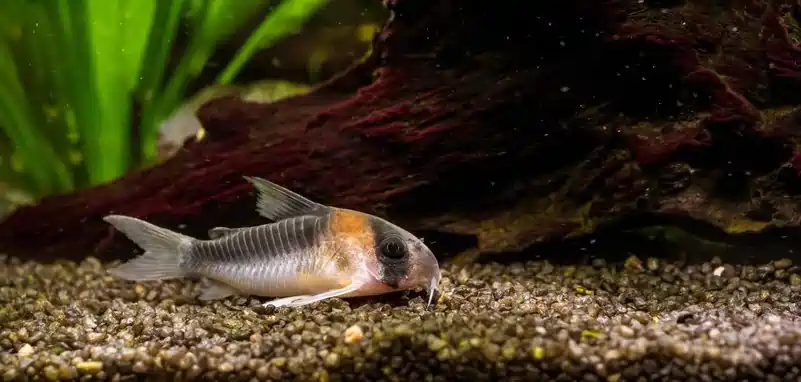
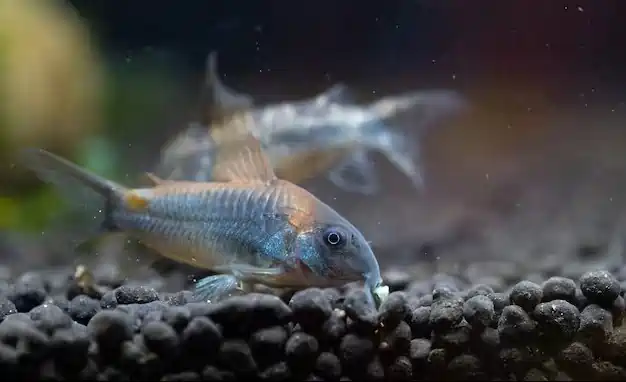
Platies are peaceful fish and get along well with most other freshwater species. They can live harmoniously in a community tank with fish like guppies, tetras, mollies, and Corydoras catfish. However, avoid keeping them with larger or more aggressive fish that may harm them.
Feeding Your Platy Fish
Platies are omnivores, meaning they eat both plant and animal matter. In the wild, their diet consists of algae, small insects, and plants. In captivity, you should feed them a varied diet to keep them healthy.
Types of Food
You can feed your Platies a combination of high-quality flake food, pellets, and live or frozen food like brine shrimp and daphnia. Vegetables such as spinach, zucchini, and peas can also be given to supplement their diet. Platies will appreciate the variety, and it will ensure they get all the necessary nutrients.
Feeding Schedule
Feed your Platies small amounts of food 2-3 times a day. Only offer as much as they can eat in 2-3 minutes to avoid overfeeding, which can lead to water quality issues. Remove any uneaten food from the tank to prevent it from decaying.
Platy Fish Behavior
Platies are known for their playful and social behavior. They enjoy swimming in groups and often interact with each other. Watching them swim together is one of the joys of owning Platy fish.
Social Nature
Platies are schooling fish, so it’s best to keep them in groups of at least 3-5 individuals. They are not territorial, but they may become stressed if kept alone. A group will allow them to express their natural behaviors and help reduce stress.
Reproduction
As livebearers, Platies can reproduce easily in a well-maintained tank. Male Platies have a modified fin called a gonopodium, which they use to fertilize the females. The female Platy carries the fertilized eggs inside her until she gives birth to live young. It’s important to provide plenty of plants or other hiding spots in the tank, as the baby fish (called fry) need a safe space to grow.
If you don’t want your Platies to breed, consider keeping only one gender in your tank. Alternatively, you can use a breeder box to separate the pregnant female from the other fish until she gives birth.
Common Health Issues
Although Platies are hardy, they can still experience health problems. The most common issues include:
- Ich (White Spot Disease): A parasite that causes white spots on the fish’s body. It can be treated with medication.
- Fin Rot: Caused by bacteria, this condition leads to the decay of the fish’s fins. It’s often a result of poor water quality.
- Dropsy: This is a condition that causes swelling of the fish’s body. It’s usually a sign of internal infection.
Regular water changes, proper diet, and a clean tank will help prevent most health issues. If you notice your Platies acting strangely, it’s a good idea to consult a veterinarian who specializes in fish.
Platy Fish Lifespan
Platies have a relatively long lifespan compared to some other small fish. With proper care, they can live for 3 to 5 years. Their longevity is influenced by factors like water quality, diet, and the presence of any diseases. Maintaining a stable environment will help your Platies live a full and healthy life.
Conclusion
Caring for Platy fish is simple and rewarding. These colorful and friendly fish are perfect for anyone who wants to add life to their aquarium. By setting up the right environment, feeding them a balanced diet, and providing them with good tank mates, you can enjoy the beauty of Platies for years to come.
Remember, Platy Fish info is here to guide you through the process and help you create the perfect tank setup for these delightful creatures. Whether you’re a first-time aquarium owner or a seasoned fishkeeper, following this care guide will ensure your Platy fish thrive.
Related FAQs
How often should I feed my Platy fish?
Feed your Platy fish 2 to 3 times a day, offering small amounts that they can eat in 2 to 3 minutes.
Can Platy fish live with other fish?
Yes, Platies are peaceful and can live with other community fish like guppies and tetras. Avoid aggressive or large fish.
What is the ideal tank size for Platy fish?
A tank that holds at least 10 gallons of water is recommended for a small group of Platies.
Do Platies require a lot of maintenance?
Platies are low-maintenance fish. Regular water changes and proper feeding are key to keeping them healthy.
How long do Platy fish live?
Platies can live for 3 to 5 years with proper care.